
XJTLU film showcases China’s youth-led rural revitalisation
Moviemakers at Xi’an Jiaotong-Liverpool University have released a documentary based on academic research into how young people are revitalising rural communities across China’s eastern Yangtze River Delta.
“Becoming Otherwise: Undefined Lives Beyond the Given” explores the youth-led transformation taking place in Chinese villages through a vivid, character-driven narrative.
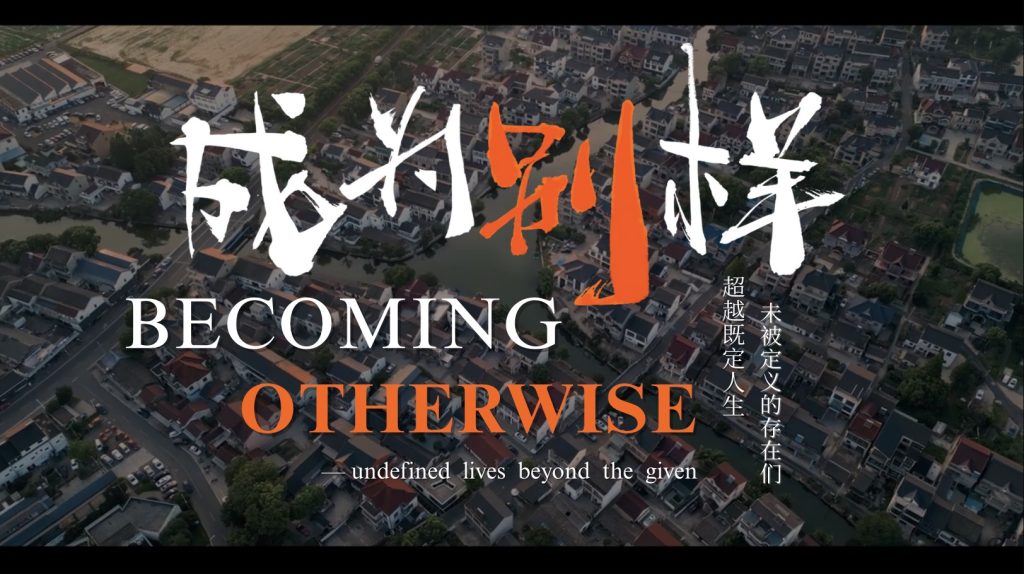
The film, produced by XJTLU’s Design School and Academy of Film and Creative Technology (AFCT), is rooted in a research project led by Dr Kon Kim from the Department of Urban Planning and Design (UPD).
Based in Jiangcun Village, the research looks at how young civil servants, entrepreneurs, and university graduates are driving social, economic, and cultural regeneration in the Chinese countryside.
The resulting documentary presents rural revitalisation not as a nostalgic retreat but as a dynamic, youth-led process where personal aspirations align with community changes.
Filmmaking as research
To bring their findings to wider audiences, Dr Kim and co-investigator Dr Ying Chang collaborated with creative supervisor Dr Yiming Chen and a film team from UPD and AFCT.
Under the direction of postgraduate filmmaker Jinze Shao, the team handled filming, narrative planning, and editing to capture authentic daily interactions in Jiangcun. Hongchen Hu, Jing Li, and Yaqi Mi – research assistants from the Design School and International Business School Suzhou – also contributed to academic interpretation and visual production.
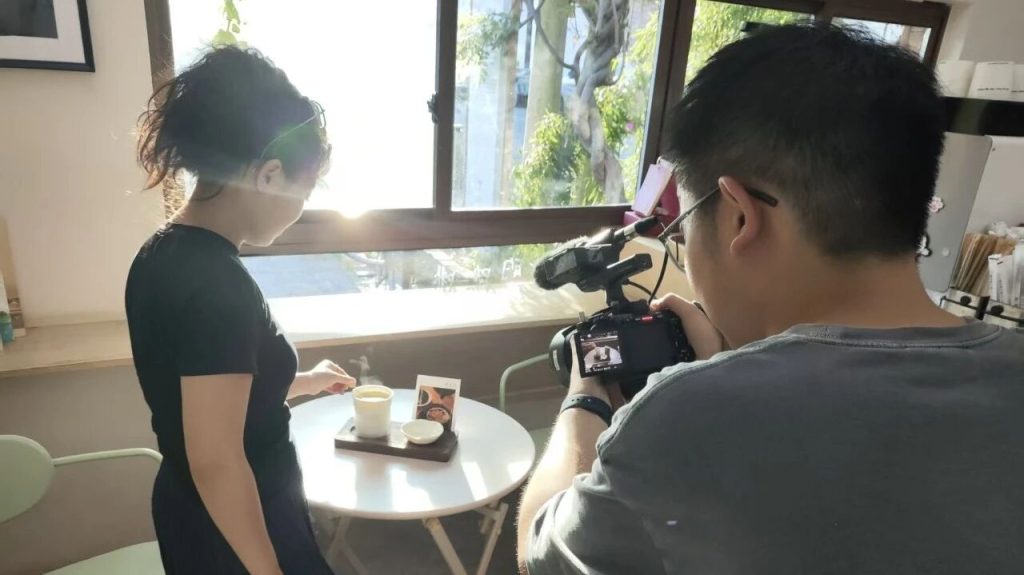
An entrepreneur runs her café in Jiangcun
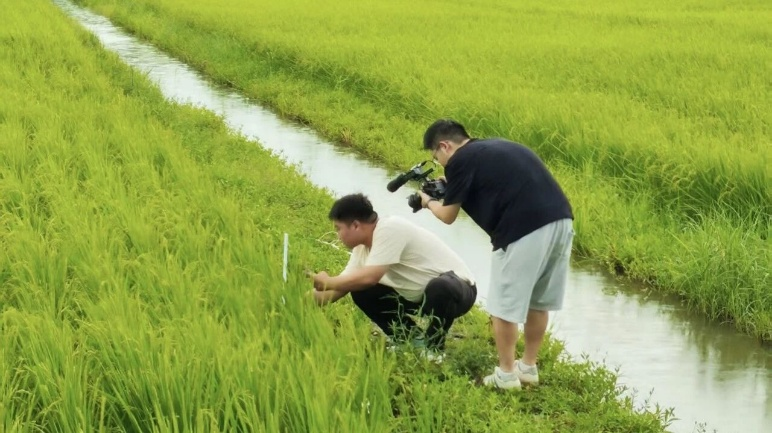
A civil servant works in a field
Dr Kim says the production demonstrates that filmmaking is not only a representational tool but also itself a research method.
“Young migrants in Jiangcun are agents of rural reinvention,” he says. “They integrate evolving policies, digital technologies, and local relationships to rebuild rural life in ways that reflect their own values and aspirations. Visual storytelling enables these nuances to be understood more deeply.”
He explains that the filming process uncovered insights unattainable through text alone, capturing nuances of gesture, rhythm, atmosphere, and emotion.
“Each round of shooting deepened our understanding of identity reconstruction, hybrid mobility, and informal governance, while the editing process sharpened narrative interpretations emerging from the field,” he adds.
Dr Chen also felt that the process “pushed us to craft a visual language that carries intellectual depth while remaining emotionally resonant for a wider audience”.
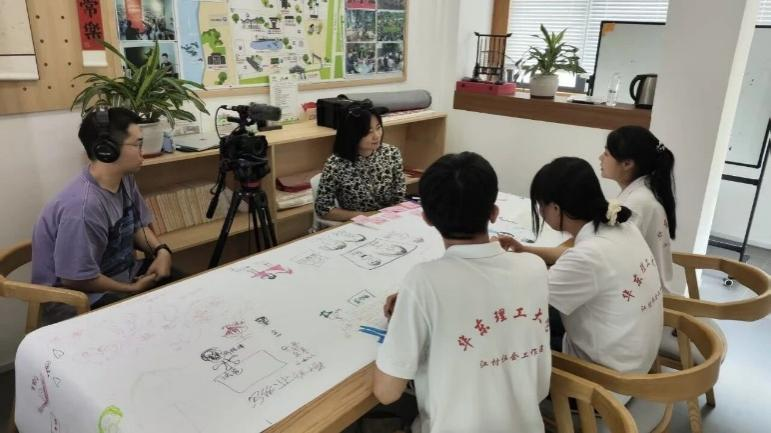
The crew interviews students from East China University of Technology and Engineering
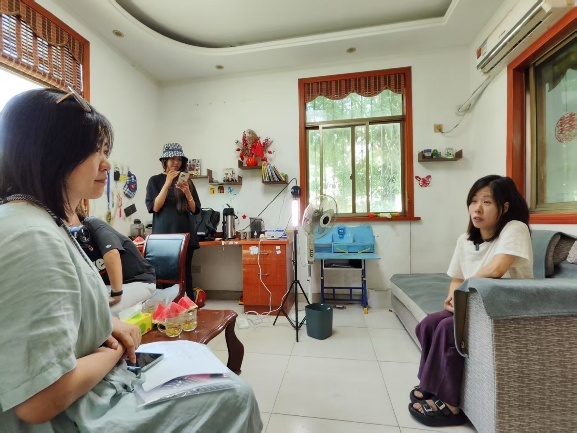
An internet entrepreneur
Practice-based research
Dr Chang says the film has generated impact beyond the academic community, with local officials contacting her to remark on the in-depth analysis, and to thank the team for showcasing the selfless efforts of young people to improve their village and surrounding community.
The feedback shows how important practice-based research is becoming for public engagement, policy dialogue, and cross-cultural knowledge exchange, she says, adding: “The documentary’s grounded insights, combined with accessible visual storytelling, strengthen the bridge between academic research, local governance, and global audiences.”
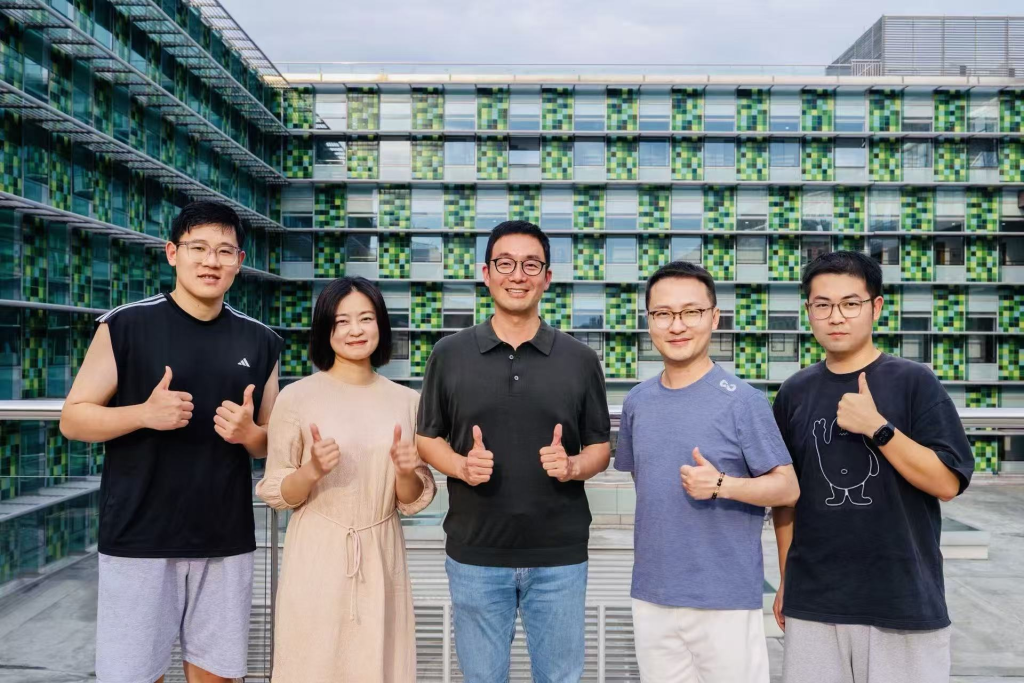
The project team, from left: Hongchen Hu, Dr Ying Chang, Dr Kon Kim, Dr Yiming Chen, and Jinze Shao.
Dr Chang feels the documentary project shows how practice-based approaches are broadening interdisciplinary research at XJTLU and strengthening institutional pathways for joint teaching, research-led student involvement, and innovative outputs that support academic excellence and public visibility.
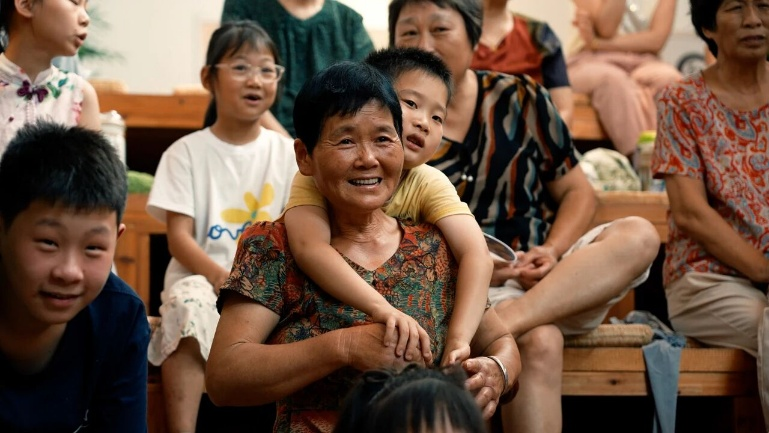
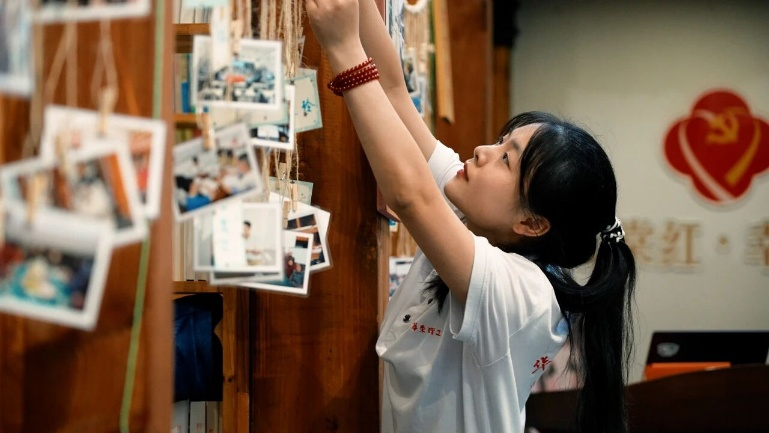
Social activities for children, young people, and elderly residents in Jiangcun
The team now plans to expand the model by incorporating ethnography, digital storytelling, and participatory research across the Yangtze River Delta. It aims to further explore youth mobility, adaptive governance, and community transformation, while generating new forms of creative output – including short films, multimedia narratives, and interactive visual platforms – that can engage diverse communities across China and the world.
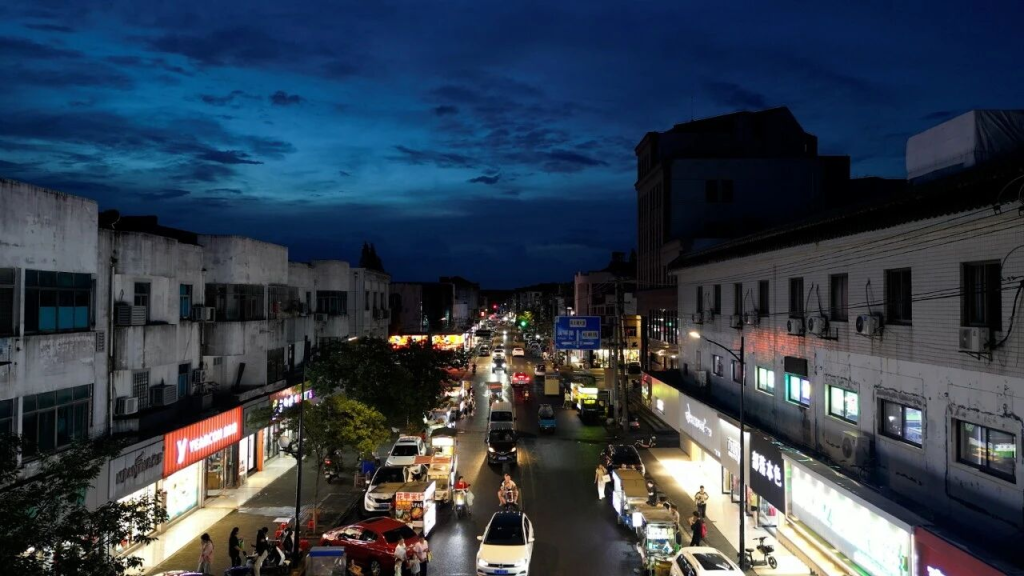
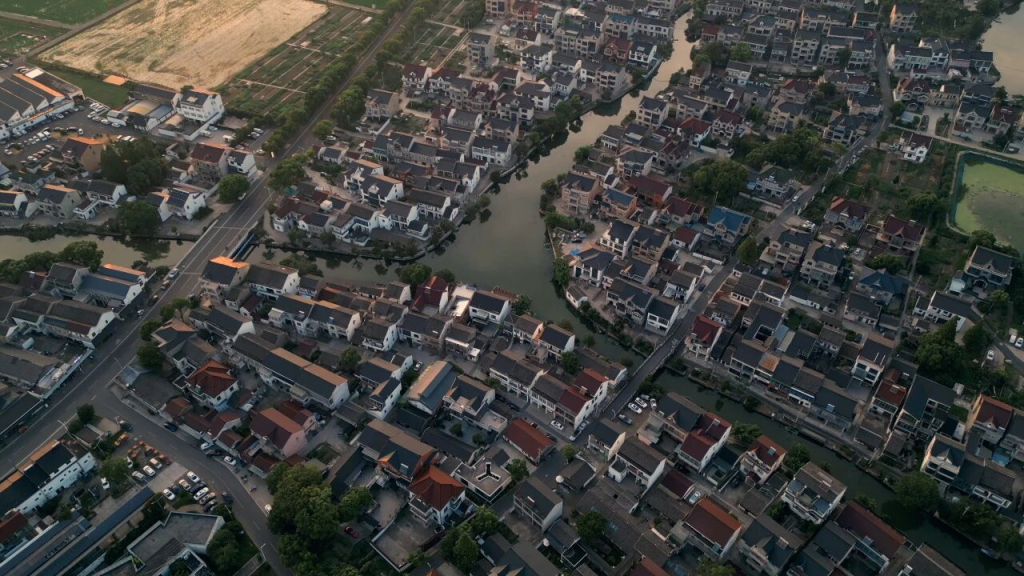
Stills from the documentary
Story, images, and video provided by the Design School and Academy of Film and Creative Technology
Edited by Yi Qian
Legal Disclaimer:
EIN Presswire provides this news content "as is" without warranty of any kind. We do not accept any responsibility or liability for the accuracy, content, images, videos, licenses, completeness, legality, or reliability of the information contained in this article. If you have any complaints or copyright issues related to this article, kindly contact the author above.
